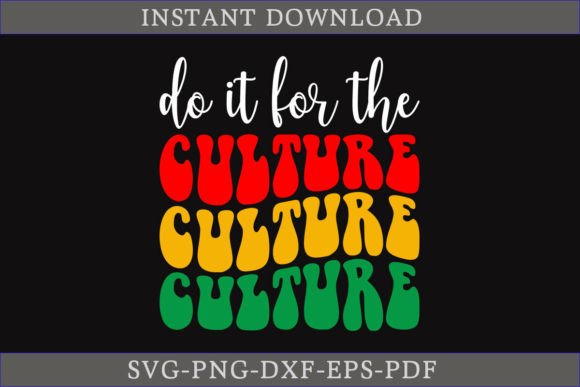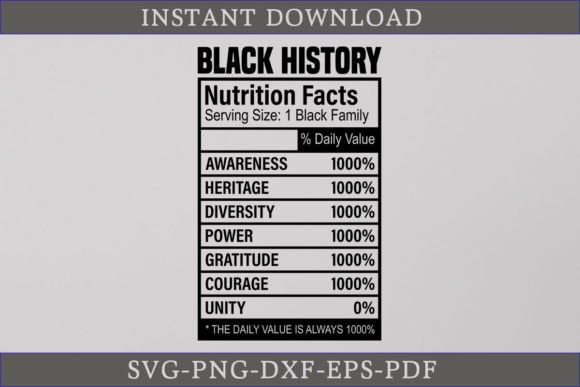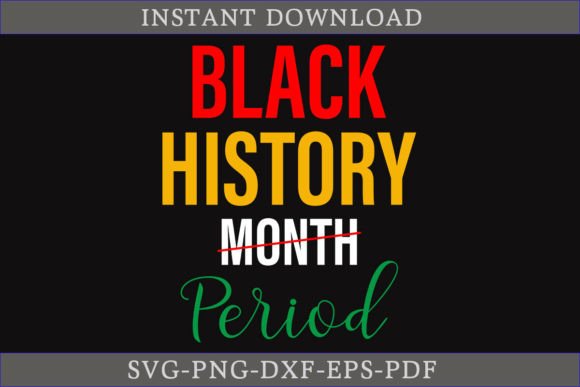
Black History Month Period SVG Cut File
When I first opened the Black History Month Period SVG Cut File, I was already thinking ahead to how it would stitch out on real fabric. As someone who regularly tests machine embroidery designs before committing them to client orders or shop inventory, I do not judge a file by its screen preview alone. I need to know if it behaves well under a needle, if the shapes hold up at different sizes, and if the overall look connects with the people who will wear or carry the finished product. After spending time with this design, I want to share what I have found from a hands-on perspective.
This SVG cut file presents a clean, meaningful theme that fits naturally into the Graphics category while being versatile enough for serious Crafts work. The mood is respectful, bold, and culturally grounded. It is not overly busy or cluttered, which immediately tells me it has strong potential for embroidery projects where clarity matters. Let me walk through what works, where you need to be careful, and how to get the best results whether you are making one personalized gift or producing a small batch for your shop.
First Impressions and Visual Personality
The Black History Month Period SVG Cut File carries a straightforward visual identity. The shapes are deliberate, the layout is balanced, and the overall composition does not rely on trendy extras that might date quickly. It feels like a design meant to be recognized and remembered, not just glanced at. That is exactly what I want when I am building a product that needs to speak to customers at a craft fair, in an Etsy listing, or on a custom apparel order.
The detail level sits in a comfortable middle zone. It is not so simple that it looks generic, and not so intricate that it becomes a headache to stitch at smaller sizes. For an embroidery designer, that balance is gold. It means the design can scale down for a cap or a baby onesie and still remain readable, and it can scale up for a tote bag or a sweatshirt back without losing its visual punch. I have seen too many SVG files that look great on screen but turn into a muddy mess after digitizing. This one gives you a solid starting point.
Real Project Scenarios: Where This Design Shines
Let me walk you through a real scenario I put together. I was preparing a batch of custom embroidered tote bags for a small boutique that wanted something for Black History Month. The owner wanted a design that felt purposeful but also worked as a daily accessory. I tested the Black History Month Period SVG Cut File at about four inches wide on the front panel of a cotton tote. The stitch-out was clean, the shapes held their edges, and the satin stitch areas looked crisp even on medium-weight fabric.
That tote bag project convinced me this design fits several product categories well. Here is where I think it performs best:
- Custom apparel: Sweatshirts, t-shirts, and hoodies are natural homes for this design. The bold theme reads well on the chest or back, and the layout works with both left-chest and center placements.
- Tote bags and canvas accessories: As I mentioned, tote bags are a strong match. The design does not get lost on a larger canvas surface and holds up to repeated use.
- Embroidered patches: If you sell patches for jackets or backpacks, this design digitizes well for patch production. The shapes are distinct enough that you can cut around them cleanly.
- Baby and kids items: On a onesie or a small blanket, this design works at a reduced scale. Just keep an eye on the stitch density so the fabric does not pucker.
- Holiday and seasonal gifts: For customers looking for meaningful holiday gifts or cultural celebration items, this design fills a need that many generic graphics miss.
- Boutique merchandise and small shop products: If you run a craft business or sell at local markets, this design helps you offer something that stands out from the usual seasonal fare.
Where To Use Careful Judgment
No design is perfect for every surface, and the Black History Month Period SVG Cut File has a few areas that require attention. I always tell other embroiderers to test before committing to a full run, and here is what I found worth watching:
- Small hoop sizes: If you are working with a 4x4 hoop, you may need to scale down significantly. At very small sizes, some of the internal shapes can lose definition. Test a sample first to see if the details still read well at your target size.
- Stretchy or thin fabrics: On lightweight knits or stretchy materials, the stitch density can cause distortion. Use a cutaway stabilizer and consider a temporary spray adhesive to keep the fabric from shifting.
- Dark fabric backgrounds: The design relies on contrast to communicate its message. On black or very dark fabric, make sure your thread colors pop. White, gold, or bright red thread choices can save the visibility.
- Curved surfaces like caps: If you want to put this on a cap front, you will need to size it carefully. The design is not naturally curved, so you may need to adjust the digitizing to follow the cap panel shape.
- Dense stitch areas: Some parts of the design may become dense if you try to fill large sections with satin stitch. Check your stitch density in your embroidery software and adjust if needed to avoid thread breaks.
- Frequent washing: For items like tea towels or baby blankets that will see repeated washing, use high-quality thread and a good stabilizer. The design holds up well, but the fabric preparation matters.
How This Design Affects Product Value and Customer Trust
When I sell a finished product, I am not just selling stitches. I am selling how the item makes someone feel. The Black History Month Period SVG Cut File carries a theme that resonates with a wide range of customers, from individuals buying a personalized gift to organizations ordering branded merchandise for events or celebrations. A well-executed embroidery project using this design tells the buyer that you put thought into both the message and the craftsmanship.
From a brand consistency standpoint, this design works well across multiple product types. If you are an Etsy seller or a small shop owner, you can use it on sweatshirts, tote bags, and patches, and your customers will recognize the unified look. That kind of consistency builds trust and makes your shop feel more professional.
Giftability is another strong point. A custom embroidered item with this design feels intentional. It is not a last-minute print or a generic graphic. It is a handmade product that carries meaning, and buyers are willing to pay more for that when the stitching is clean and the design is well placed.
Practical Embroidery Designer Notes
Before you run your first production batch with the Black History Month Period SVG Cut File, here are the steps I take with any new design file, and I recommend you do the same:
- Test on scrap fabric first. Use the same fabric type you plan to use for the final product. This is non-negotiable. Screen previews do not tell you how a design behaves under real stitching.
- Check thread color contrast. Pull thread samples and hold them against your fabric. What looks good on a monitor may look flat in real life.
- Review stitch density in your software. If you are digitizing from the SVG file yourself, check that no area is too dense. Adjust fill stitch settings if needed to keep the design soft and stable.
- Confirm your hoop size. Make sure the design fits comfortably within your hoop with room for stabilizer and fabric layers. Crowding the hoop edges leads to registration problems.
- Inspect small details at actual size. Print a full-size template or use your embroidery software to view the design at the exact stitch size. If any element looks too small to read, enlarge the design or simplify that area.
- Test in black and white mockups. Before committing to thread colors, look at the design in grayscale. This helps you see contrast and shape issues without the distraction of color.
- Compare light and dark fabric backgrounds. The design should work on both, but you may need to adjust thread choices or add an underlay for dark fabrics.
- Use proper stabilizer. For most projects with this design, a cutaway stabilizer gives the best results. Tearaway may work for stable fabrics, but do not risk it on knits or stretchy materials.
- Check licensing before selling. Since the product description states you get SVG, DXF, EPS, PNG, and PDF files in a zip archive, make sure you understand what the license allows for commercial use of finished products. When in doubt, contact the seller directly.
- Test a full production sample. Run one complete item from start to finish, including washing if the product will be washed. This catches any issues before you list the item in your shop or deliver it to a client.
Final Thoughts on Using This Design in Real Projects
The Black History Month Period SVG Cut File is a solid addition to any embroidery designer's library. It offers a clear theme, good scalability, and strong potential for a variety of finished products, from custom apparel to handmade gifts and boutique merchandise. It is not a file you can open and stitch without any preparation, but no serious design works that way. With proper testing, thoughtful thread choices, and careful stabilizer selection, this design can become a reliable option in your rotation.
If you are an Etsy seller, a small business owner, or a crafter who values designs that connect with people, this SVG cut file is worth your time. Treat it like any professional design asset, test it thoroughly, and your customers will feel the difference in every stitch.