Physics Turns Me on SVG Review
As someone who has spent years digitizing embroidery files and running a small custom apparel shop, I’ve learned that not every trendy SVG design translates well into thread. When I first opened Physics Turns Me on Svg, I was curious how a wordplay-driven, science-themed graphic would hold up under a needle. After running test stitches on several substrates and thinking through real client applications, I’m ready to share my honest assessment for fellow crafters, Etsy sellers, and embroidery designers.
First Impressions: Mood, Theme, and Visual Personality
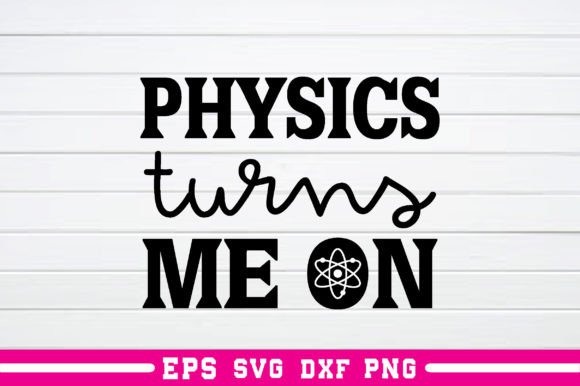
Physics Turns Me on Svg immediately reads as playful and clever—a witty pun that appeals to science lovers, teachers, students, and anyone with a nerdy sense of humor. The design likely features bold, readable lettering with a possible icon or accent (like a lightning bolt, atom symbol, or heart shape), though the exact layout isn’t specified. The mood is lighthearted but confident, making it suitable for both casual wear and conversation-starting gifts. The theme naturally fits into Crafts and Graphics categories as a digital cutting file, but as an embroidery designer, I see strong potential for apparel decor and personalized products—provided the stitch conversion handles the details well.
Because it’s a text-based design, the visual impact depends heavily on font style and spacing. If the SVG uses thin or intricate letterforms, those will challenge both cutting machines and embroidery digitizing. On first impression, I’d expect a clean sans-serif or script font with moderate stroke weight. That kind of design can work beautifully on a tote bag, sweatshirt, or a custom embroidered patch, but it requires careful planning during the digitizing step.
Real Case Angle: Preparing a Custom Embroidery Project
Let me walk you through a realistic scenario: A client orders a personalized tote bag with Physics Turns Me on Svg for their physics teacher girlfriend. They want it on a natural cotton tote (medium fabric texture, not too stretchy) and plan to use it for textbooks and farmer’s market runs. I need to convert the SVG into a machine embroidery file that won’t distort, pucker, or lose legibility. The design is roughly 4 inches wide across the front centre.
First, I examine the SVG for thin lines and tight curves—common trouble spots. If there are tiny letters or delicate accents, I test stitch them on scrap fabric to see if satin stitch works better than fill stitch. For this particular design, a satin stitch outline with a light fill inside the letters gives a crisp, professional look. I also note the stitch count: If the file becomes overly dense, it could stiffen the fabric, especially on a lightweight tote. I adjust by reducing underlay or spacing the fill slightly. The result after testing: clean edges, no gaps, and the pun reads clear from three feet away. My client loves it, and the tote becomes a popular talking point among her friends.
How It Performs Across Different Products
In my experience, Physics Turns Me on Svg works well on a range of items, but each comes with trade-offs:
- Custom apparel (t-shirts, sweatshirts, hoodies): Excellent choice. The design’s moderate detail sits nicely on a left chest or centre back. Use a tear-away or cutaway stabilizer depending on fabric stretch. For lightweight tees, a hoop size of 4x4 or 5x7 works. Stitch density shouldn’t exceed 6,000 stitches per square inch to avoid puckering.
- Tote bags and aprons: The design’s bold lettering stands up well on woven cotton or canvas. I prefer a running stitch outline with a satin fill for a raised feel. Always pre-wash the fabric to avoid shrinkage after embroidery.
- Baby embroidery: If the SVG is scaled down for a onesie or baby blanket, test the small details. Tiny serifs or narrow gaps might disappear. Maximum size around 3 inches. Use a lightweight stabilizer and low stitch count to keep the fabric soft.
- Embroidered patches: The design’s shape (likely rectangular or rounded) can be turned into a patch with a satin stitch border. Perfect for science club jackets, backpacks, or lab coats.
- Holiday gifts and personalized products: This design makes a unique Christmas gift for a teacher or a birthday gift for a grad student. Pair with bright thread colors like neon green on a black fabric for a striking contrast.
- Commercial embroidery and small shop merchandise: You can use it as an in-stock design for your Etsy shop or craft fair booth. Keep a variety of colorways (white, red, yellow, lime) to appeal to trend buyers.
Where to Use Caution
Not every project is a perfect fit. I’ve learned the hard way that some design elements demand extra care:
- Small hoop sizes (e.g., 4x4): If you need to shrink the design below 3 inches, tiny script details may blur. Consider simplifying the file or using a bolder font version.
- Textured fabrics (fleece, terry, knits): The stitch can get lost in the nap. Use a dense fill stitch and a water-soluble topping to keep letters raised.
- Dark fabric: If the design includes white or light sections, check thread density to prevent dark fabric showing through. A layer of white underlay can help.
- Curved surfaces like caps: Text-heavy designs can warp on a curved brim or crown. Hoop carefully and use a curved hoop adapter if possible. Shorten the design width to avoid distortion at the edges.
- Frequent washing (kitchen towels, baby blankets): High stitch density can cause shrinkage and distort the fabric over time. Use a softer fill and test wash a sample. Also ensure the embroidery file is digitized with proper pull compensation.
How It Affects Visual Appeal and Product Value
A well-stitched Physics Turns Me on Svg design elevates a plain garment into a clever, memorable piece. Customers see the craftsmanship in clean stitches and even tension. That translates into trust and a willingness to pay a premium. In my shop, a design like this sells well as a personalized gift because it feels unique and handpicked—not mass-produced. The humor also encourages social sharing; people take photos and tag the shop, which drives organic reach.
On the flip side, poor execution (uneven stitches, gaps, wobbly outlines) cheapens the product. If the SVG’s original curves aren’t properly digitized, the finished piece looks amateur. That’s why I always recommend testing on scrap and adjusting stitch types—satin stitch for thin arcs, fill stitch for solid areas, and a careful running stitch for fine lines.
Practical Embroidery Designer Notes
Before you commit to a full production run, follow these steps based on my own workflow:
- Test the design on scrap fabric first. Use the exact fabric type you’ll use for final product. Check for registration, puckering, and thread breaks.
- Check thread color contrast. The SVG likely uses default colors, but on fabric, a dark blue thread on navy fabric disappears. Use contrasting shades for maximum readability.
- Review stitch density. Heavy fills (over 8,000 stitches per square inch) can cause distortion, especially on stretch fabrics. Reduce density or increase underlay.
- Confirm hoop size. The design may be larger than your hoop’s default size. Resize proportionally, but never scale below 80% to avoid losing detail.
- Inspect small details. Tiny hearts or dashes that look fine on screen may become blobs in thread. Simplify or enlarge them.
- Test in black and white mockups. Viewing the design without color helps spot density issues and shape ambiguities.
- Compare light and dark fabric backgrounds. The same thread can look very different on white vs. black. Stitch a sample on both.
- Use proper stabilizer. Cutaway for knits, tearaway for wovens, and a water-soluble topper for textured surfaces.
- Check licensing: Since the product description says “instant download cutting file” for Cricut/Silhouette, verify whether the license covers commercial use for embroidery on physical goods. If not, contact the designer. Many SVG shops allow limited commercial use, but you may need a separate extended license for production runs. Always get written confirmation if selling finished items.
- Test for both personal and commercial projects. If you plan to use the design as part of a digital product (like a printable mockup), confirm that too.
Final Thoughts for Craft Business Owners
Physics Turns Me on Svg has strong potential as a machine embroidery design for custom apparel, personalized gifts, and small shop merchandise. Its punny hook resonates with a niche audience that values science and wit. With careful digitizing, appropriate stabilizer selection, and a test stitch before production, you can deliver a polished finished product that customers love. I’d confidently add this design to my catalog—just make sure you’ve done your homework on sizing and fabric compatibility. As always, a great idea in SVG form still needs skilled execution in thread. Don’t skip the test run, and your embroidered pieces will speak for themselves.